If you’ve ever spent time in rural Florida, you’ve probably heard the term “Florida Cracker” used to describe the region’s longtime residents. Perhaps you’ve seen it on license plates, heard it in passing conversation, or noticed it in local business names. But here’s what many people get wrong: Florida Cracker isn’t a racial classification, nor is it a derogatory term meant to demean. It’s a proud cultural designation that represents a way of life stretching back generations before Florida became the tourist destination it is today.
The confusion is understandable. The word “Cracker” can sound harsh out of context, and American history is littered with terms that carry racial baggage. But in this case, the name has nothing to do with race and everything to do with resilience, heritage, and a distinctly Floridian approach to life that has survived everything from frontier wars to Disney World popping up down the road.
Tracing the Roots: Where “Cracker” Really Comes From
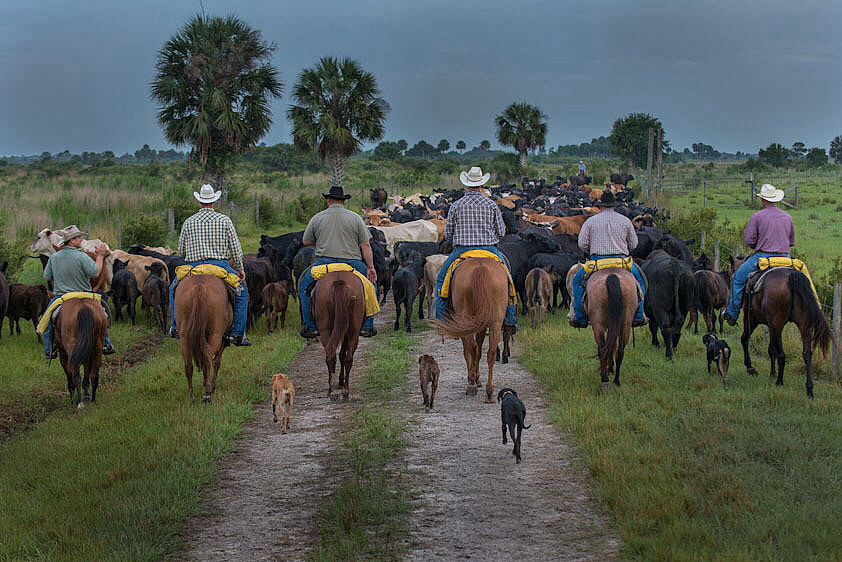
The term “Florida Cracker” traces its origins back to the cattle-raising traditions of Spanish colonial Florida, long before the United States acquired the territory in 1821. The Spanish word vaquero — meaning cowboy — gave rise to the English “cracker” as a description of the sharp crack of a whip used by cattle ranchers to move their herds through the dense Florida wilderness. These early ranchers developed a distinctive style of cattle ranching adapted to Florida’s unique landscape of pine flatwoods, cypress swamps, and humid subtropical climate.
When English-speaking settlers arrived in Florida during the 19th century, they adopted and adapted many of the practices established by the Spanish vaqueros. These became the original Florida Crackers — families who made their living ranching, farming, and carving out an existence in a landscape that was often inhospitable to outsiders. The Florida Cracker became known for self-sufficiency, adaptability, and a fierce independence that characterized life on the frontier.
The culture that developed among these early settlers was shaped by Florida’s particular challenges: the heat and humidity, the diseases that plagued the region, the isolation from mainstream America, and the need to live off the land in ways that most Americans had never considered. Florida Crackers learned to work with the land rather than against it, developing agricultural practices and building techniques suited to a climate that outsiders often found overwhelming.
What Defines Florida Cracker Culture Today
Understanding Florida Cracker culture requires looking beyond the surface-level associations with cowboy imagery, though the cattle ranching tradition remains central to many families who identify with this heritage. The Florida Cracker cow is a distinctive breed, smaller and more heat-resistant than the cattle you’ll find on ranches in other parts of the country. The Florida Cracker horse, similarly, is a breed that developed in isolation over centuries, adapted to navigate the state’s tricky terrain and thrive in conditions that would challenge other breeds.
But the culture extends far beyond ranching. Florida Cracker architecture developed in response to the climate — elevated homes with wide porches to catch breezes, tin roofs that shed the torrential afternoon rains, and floor plans designed to maximize airflow before the advent of air conditioning. The food traditions of Florida Cracker cooking emphasize what could be preserved and what grew easily in the subtropical climate: grilled meats, pickled vegetables, and dishes that could sit in cast iron skillets for hours over low fires.
Perhaps most importantly, Florida Cracker culture emphasizes a particular mindset — a combination of self-reliance, hospitality to neighbors, and a deep connection to the land that gets passed down through families. When Hurricane Andrew devastates a community, or when floods cover the roads for weeks, Florida Cracker families are the ones who show up with generators and chainsaws and food stores, not because they’re official emergency responders but because that’s what neighbors do for each other. The culture teaches self-sufficiency not as isolationism but as a foundation for genuine community interdependence.
Clearing Up the Confusion About Race
The most important thing to understand about Florida Cracker identity is that it has never been tied to racial categories. The original Spanish vaqueros who developed the traditions that became Florida Cracker culture were themselves of mixed heritage, and the cattle-driving traditions they established were later adopted by Anglo settlers, African Americans, and others who made their home in rural Florida. When historians study the cattle drives and ranching communities of 19th-century Florida, they find a remarkably diverse population united by a shared way of life.
The racial tensions that have complicated American history have certainly affected Florida Cracker communities, just as they’ve affected every corner of American society. Yet the term “Florida Cracker” itself has always referred to cultural practices and regional identity rather than racial identity. This distinguishes it from other regional terms that have more complicated and sometimes painful racial histories.
In recent years, some Floridians have worked to reclaim and celebrate Florida Cracker identity as a way of honoring the state’s unique cultural heritage. You’ll find Florida Cracker coffee shops, cattle companies that specifically raise Florida Cracker cattle, and cultural festivals that celebrate the music, food, and traditions of the region. These efforts aim to preserve a way of life that many feel has been overlooked as Florida has urbanized and transformed into a destination for millions of new residents.
The Florida Cracker in Modern Florida
Walking through modern Florida can feel like visiting two different states at once. On one hand, there’s the Florida of beaches and theme parks, of retirees from Ohio and New York, of gleaming condominiums and strip malls. This Florida gets most of the attention and drives the state’s economy. But underneath this veneer lies the other Florida — the rural stretches of citrus groves and cattle pastures, the small towns where families have lived for generations, the communities where the old ways haven’t entirely disappeared.
The Florida Cracker population isn’t trying to stop progress or turn back the clock. Many modern Florida Crackers hold down jobs in the cities while maintaining their family ranches on weekends. They’ve adapted new technologies while holding onto traditional practices. What they want is simple acknowledgment that their culture exists and matters — that Florida’s identity isn’t just about tourism and development but also about the people who were here first and have stayed through it all.
When you hear someone in Central Florida describe themselves as a Florida Cracker, they’re claiming membership in a cultural tradition that values land stewardship, community bonds, and a particular kind of stubborn resilience that has characterized life in this part of the world for centuries. They’re also pushing back against the narrative that modern Florida began with Walt Disney’s vision in the 1960s, reminding everyone that people were building lives and communities in Florida long before the state’s transformation into a global destination.
Preserving a Living Heritage
Unlike museum exhibits or historical reenactments, Florida Cracker culture is still very much alive. Yes, there are historical societies and museums dedicated to preserving the artifacts and stories of Florida’s pioneer period. But the living culture exists in family gatherings where recipes passed down for generations appear on Sunday dinner tables, in the skills that parents teach their children about handling cattle and reading the land, in the music played at local festivals featuring the distinctive sounds of old-time Florida string bands.
The challenges to preserving this culture are real. Development pressure pushes against the rural lands where Florida Cracker traditions have always thrived. Young people sometimes leave for cities where economic opportunities seem more abundant. The rhythms of modern life make it harder to maintain the practices that defined Cracker life for generations. Yet despite these pressures, the culture persists in unexpected ways.
What makes Florida Cracker culture worth preserving isn’t just its historical significance, though that alone would justify conservation efforts. It’s also that this culture represents a model of human settlement that many find increasingly relevant in an era of climate change and environmental crisis. Florida Crackers developed ways of living in a challenging environment that worked with local ecosystems rather than against them. Their agricultural practices, their building techniques, their relationship to the land — these represent accumulated wisdom about how to thrive in a place that nature clearly never intended for easy human habitation.
A Culture Worth Understanding
The next time you hear someone mention Florida Crackers, remember that they’re talking about culture, not race. They’re describing a way of life that has shaped Florida’s identity far more than most people realize, a tradition of self-reliance and community that has helped Floridians survive everything the state has to throw at them — from hurricanes to heat waves to the relentless march of development.
Florida Cracker culture isn’t a relic of the past that we should preserve in amber. It’s a living, evolving tradition that continues to adapt and thrive even as the world around it changes. The families who identify with this heritage aren’t stuck in some idealized yesterday — they’re actively shaping what it means to be a Florida Cracker in the 21st century, blending old wisdom with new possibilities.
Understanding this distinction matters because it changes how we think about Florida’s cultural landscape. It reminds us that every part of this diverse country has regional cultures worth knowing and celebrating, and that those cultures are often more complex and nuanced than the surface-level associations suggest. The Florida Cracker stands as a testament to the enduring power of cultural identity — not as a constraint but as a gift passed down through generations, a way of understanding the world and one’s place in it that remains meaningful even in an age of rapid change and homogenization.
So here’s to the Florida Crackers — the cattle ranchers and citrus growers, the descendants of pioneers and the keepers of traditions, the people who call rural Florida home and refuse to let that way of life disappear. They remind us that culture is more than history; it’s something we live every day, something we pass forward, something that continues to matter long after the historians have written their final words.