
Last summer, I stood in the produce section of a large supermarket, reaching for a perfectly round, gleaming apple. It looked beautiful—flawless skin, vibrant red color, absolutely uniform in shape. As I placed it in my cart, something nagged at me. Where did this apple come from? How many hands touched it? And what had been done to it to make it look so impossibly perfect?
That moment sparked a journey that changed how I shop for food entirely. What I discovered wasn’t just about taste or freshness (though both are remarkable differences). It was about understanding what’s actually in the food we feed our families, and making a choice that supports our communities, our health, and our earth.
The Industrial Food Machine
Supermarkets operate on a massive scale, and for that scale to function, produce must survive a journey that can span thousands of miles and take weeks to complete. Consider the typical banana in an American grocery store: grown in Ecuador or Costa Rica, harvested while still green, shipped across continents, ripened artificially, and displayed for sale. This system prioritizes durability over nutrition, appearance over flavor, and profit over pretty much everything else.
To achieve this, industrial farms rely heavily on agricultural chemicals. Pesticides protect crops from insects during growth. Herbicides control competing weeds. Fungicides prevent mold during storage and transport. Preservatives and wax coatings extend shelf life once produce reaches stores. These applications serve a genuine purpose within the industrial system—they allow food to survive the long, complex journey from farm to shopping cart. But “serving a purpose” isn’t the same as being good for you.
The term “poison spray” might sound dramatic, but let’s be clear about what we’re actually discussing. Pesticides are designed to kill living organisms—insects, fungi, weeds—that threaten crop yields. By their very nature, these chemicals are toxic. The question isn’t whether they’re poisonous; it’s about acceptable exposure levels, cumulative effects, and whether there are better alternatives. Regulatory agencies establish tolerances, and mainstream produce generally falls within those limits. But those tolerances were established primarily to prevent acute poisoning, not to account for long-term health effects, cumulative exposure, or the unique susceptibility of children and pregnant women.
What Local Farmers Do Differently
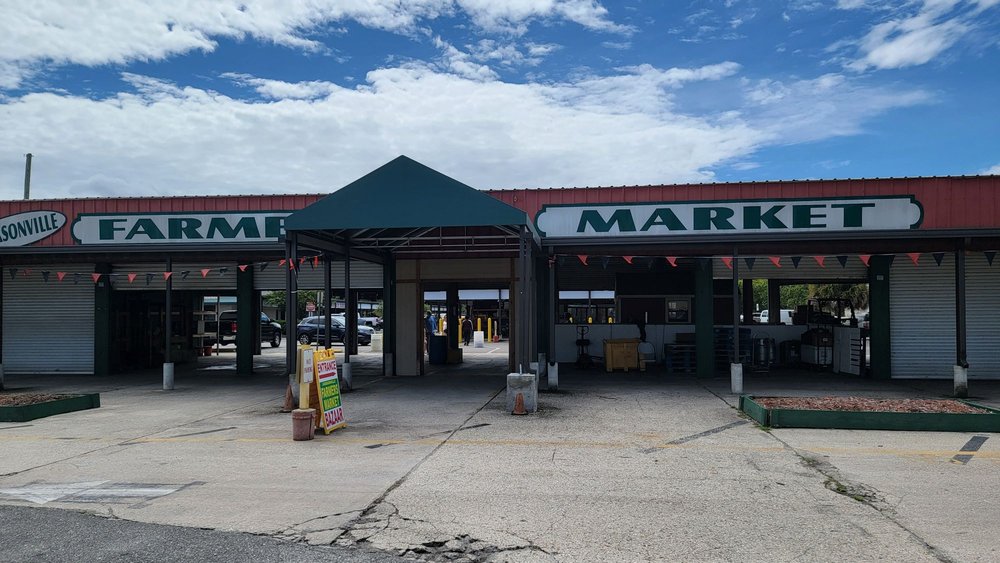
When you visit a local farm or farmers market, you’re participating in something fundamentally different. The produce there often looks less perfect—slightly irregular shapes, occasional blemishes, a wider variety of colors and sizes. This isn’t a flaw. It’s evidence that the food didn’t undergo the industrial processing required to achieve that artificial uniformity.
Local farmers face real challenges with pests and disease, of course. Many have made different choices about how to manage them. Organic certification, while not perfect, requires avoidance of synthetic pesticides and herbicides. Integrated pest management techniques use beneficial insects, crop rotation, and natural barriers rather than chemical sprays. Many small farmers prioritize soil health through composting and cover cropping, which produces stronger plants naturally resistant to pests.
Some farmers use sprays—organic-approved options like neem oil or copper-based fungicides—when necessary. Others grow varieties bred for flavor rather than shipping durability, accepting that they might lose some percentage of their crop to pests. Some simply accept a lower yield in exchange for growing food they would proudly serve their own children. These farmers aren’t naive about agriculture; they’re making deliberate choices about what they’re willing to put on the food they sell to their neighbors.
The difference isn’t that local food is spray-free while supermarket food is toxic. The difference is one of scale, transparency, and values. At a farmers market, you can ask the grower exactly what they use on their crops. You can visit their farm. You can see with your own eyes how they operate. That accountability doesn’t exist in the industrial system.
The Nutrition Question
There’s another dimension to this conversation that deserves attention: nutrition. Studies have consistently shown that fresh produce begins losing nutrients the moment it’s harvested. Spinach can lose up to 50% of its vitamin C within a week of harvest. A tomato picked ripe and eaten immediately contains far more lycopene than one picked green and ripened artificially during transport.
Produce in supermarkets is typically harvested 7 to 14 days before you buy it, often earlier. It may be stored for additional weeks in temperature-controlled facilities. By the time it reaches your plate, it’s traveled an average of 1,500 miles. Local farmers market produce, by contrast, is often harvested within 24 to 48 hours of sale. That freshness doesn’t just mean better flavor—it means more intact nutrients, more antioxidants, and food that actually delivers the health benefits we’re told to expect from eating fruits and vegetables.
This creates a counterintuitive situation. The produce at farmers markets might not look as pristine, but it’s actually closer to what nature intended—closer to what our grandparents ate, before the industrial food system became the norm.
Strengthening Your Local Community
Beyond the personal health benefits, there’s something deeply satisfying about knowing where your food comes from and who grows it. When you spend money at a farmers market, that money stays in your community. A 2013 study found that for every dollar spent at a local farm, approximately 67 cents stays in the local economy, compared to just 43 cents for produce purchased from non-local sources. Local farmers shop at local businesses, employ local workers, and contribute to the character of your region.
There social dimension matters too. Farmers markets become community gathering places—spaces where neighbors connect, where children learn where food actually comes from, where the抽象аction of buying food becomes a human transaction rather than a transaction with a corporation. In an era of increasing isolation and digital interaction, these in-person connections have real value.
Local farms also preserve open space and agricultural heritage. When small farms succeed, they keep land in productive agricultural use rather than seeing it converted to housing developments or parking lots. They maintain skills and knowledge about growing food that has been passed down through generations. They provide a living example of sustainable land management that industrial agriculture has largely abandoned.
Making the Switch
Transitioning to primarily local eating doesn’t have to be all or nothing. Start with one trip per week to your local farmers market or farm stand. Learn what’s in season when you live. Try vegetables you might not normally buy—the varieties that supermarkets don’t carry because they don’t ship well but taste incredible fresh. Your taste buds will thank you.
If farmers markets aren’t accessible in your area, look for community supported agriculture (CSA) programs, where you subscribe to receive regular boxes of seasonal produce from a local farm. Many farms now offer delivery or pickup locations. Some supermarkets have begun featuring local producers, though you’ll need to verify that “local” claims are meaningful—the definition varies, and some stores use it quite loosely.
When you do buy from supermarkets, wash your produce thoroughly. Peeling skin removes some residue but also removes fiber and nutrients. Removing outer leaves of greens helps. Understanding that the “perfect” appearance likely came from chemical intervention can help you make informed choices about what to prioritize buying locally versus what you might accept from the industrial system.
The Bottom Line
I won’t tell you that supermarket produce is poisonous, because that would be alarmist and inaccurate. The regulatory system, despite its flaws, does prevent the most dangerous outcomes. But I will tell you that the industrial food system makes different priorities than you might make for your own family. Appearance, transportability, and shelf life all matter more in that system than nutrition, chemical exposure, or environmental impact.
When you buy from local farmers, you’re supporting a different set of priorities. You’re supporting people who grow food because they believe in it, who often use fewer chemicals because they answer to their neighbors rather than distant shareholders, and who bring you food harvested at its peak rather than bred to survive a cross-continental journey.
The apples at the farmers market might have a few spots. The tomatoes might be slightly irregular. But they’re real food, grown by real people in your community, and they’ve never been sprayed with anything you need to worry about. Your great-grandparents would recognize them. That matters more than we usually give it credit for.
Next Saturday morning, consider skipping the supermarket produce aisle and visiting a local farm stand instead. Talk to the farmer. Ask questions. Taste the difference. Your body, your community, and future generations of local farmers will thank you for it.
What’s been your experience with farmers markets versus supermarkets? Have you noticed a difference in taste or quality? Share your thoughts below—I’m always hearing from readers who are making the switch and discovering new favorites along the way.